As cities grow and climate change accelerates, everyone is affected – from individuals to communities, and the design of our urban areas. To create cities full of life, experiences, and diversity, we need to build in a sustainable and resilient way. Through a smarter urban planning process, we integrate nature into daily life, creating functioning ecosystems that benefit both people and nature, and the interactions between them. Regenerative design is White Arkitekter’s vision and approach across all our architecture. We create solutions that not only minimise negative impacts, but actively strengthen natural ecosystems and generate social value.

From Sustainability to Restoration – Regenerative Architecture in Practice

White’s vision is to transition towards regenerative architecture. We believe the built environment must function within a continuous cycle, where we strengthen and restore what already exists – whether that concerns ecosystems, materials, energy, or social values.

This can involve embracing circular design, where materials are treated as valuable resources and their lifespan is extended. It can also include creating energy-positive districts that generate more energy than they consume, or designing environments with nature-based solutions that enhance ecosystem services and biodiversity.

Regenerative architecture is also about people. By restoring ecological functions on developed land and engaging local communities in the planning process, we can help create strong, inclusive neighbourhoods. In this way, architecture becomes an active force in restoration – contributing positively to both society and nature.

Selected projects

All Projects

Loading...

Interested in learning more? Get in touch!

Anna Graaf

Anna Graaf

Sustainability Specialist, Sustainability director

Louise Didriksson

Louise Didriksson

Landscape Architect, Development manager

Alexandra Hagen

Alexandra Hagen

Architect, CEO

Q&A with Louise Didriksson, landscape architect

Q&A: What is regenerative design?

Regenerative design employs whole-system thinking to create resilient and equitable systems that harmonise the needs of society with the integrity of nature. Through regenerative design, we ensure that the built environment has a positive impact on natural systems.

First and foremost, it involves understanding the unique patterns of a place.

Secondly, it focuses on designing for coexistence, which includes establishing self-sustaining local food production, closing energy loops through the creation of net-positive districts, fostering community spirit, strengthening the sense of place, all while respecting planetary boundaries.

Regenerative design aims to ensure that the built environment has a net-positive impact on natural systems. To progress toward regenerative design and systems for our planet, we must understand how to design for all species. The stormwater pond at Exercisfältet in Uppsala is one example where the design enhances natural conditions by contributing to biodiversity, protecting the city from flooding and polluted water, all while providing a welcoming space for people to visit, spend time, and socialise.

– Louise Didriksson, Director of Landscape Development at White Arkitekter

Get in touch with Louise

DeepDive: The Path to a Green Transition is Called Regenerative Design

Through smarter urban planning, we can integrate nature into everyday life in the most effective way. This means creating functioning ecosystems that strengthen both people and nature – and the interaction between them.

More and more companies, authorities, and organizations, regardless of size, are seeking to meet the challenges of climate change and the goals of Agenda 2030. People in cities around the world are demanding natural, peaceful, and recreational environments. The work for a more sustainable world must happen everywhere, and the key to global change lies in strong local engagement for the green transition. Using nature-based solutions, we can develop urban environments that are sustainable, resilient, and flexible, capable of functioning over the long term.

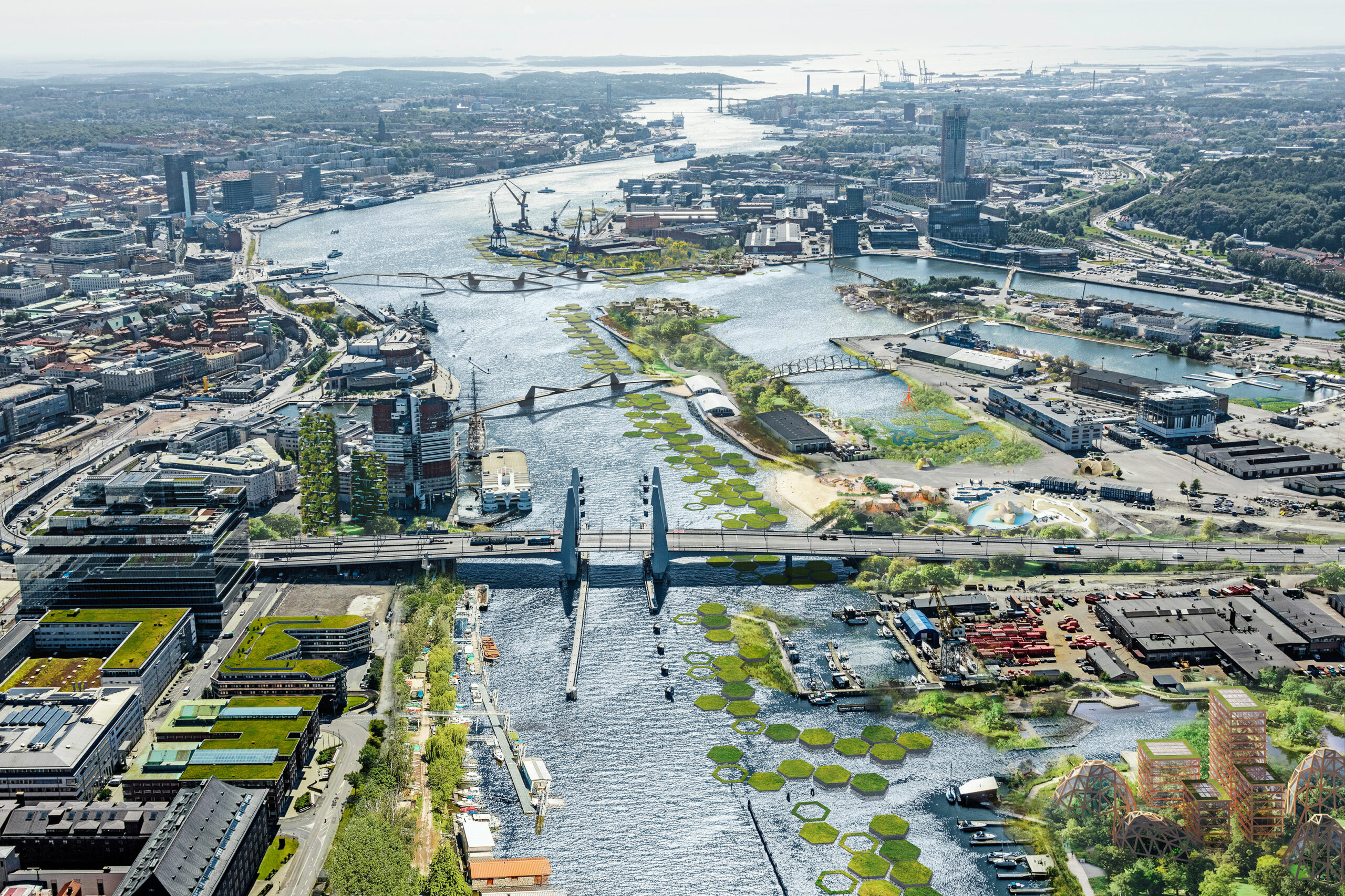
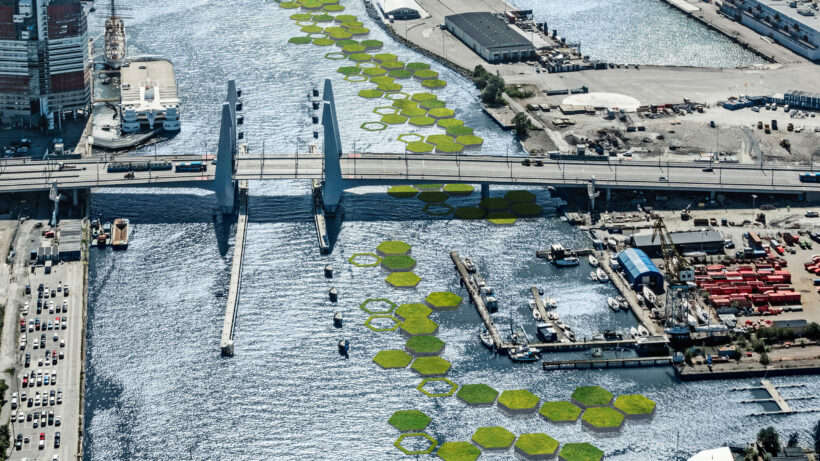
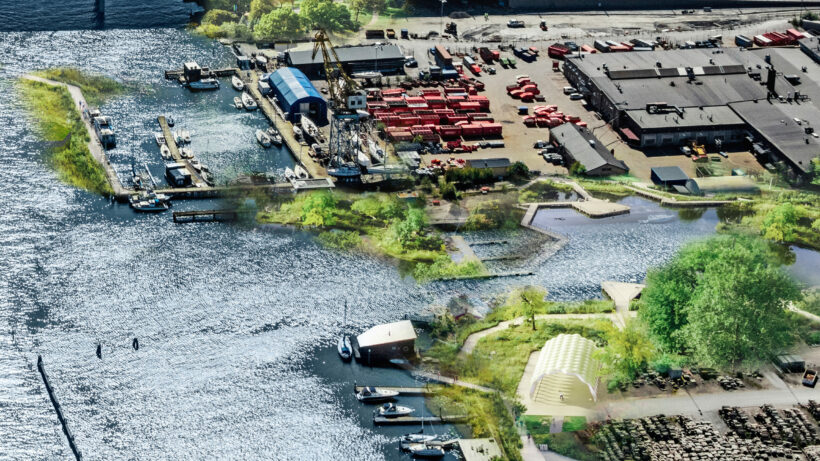
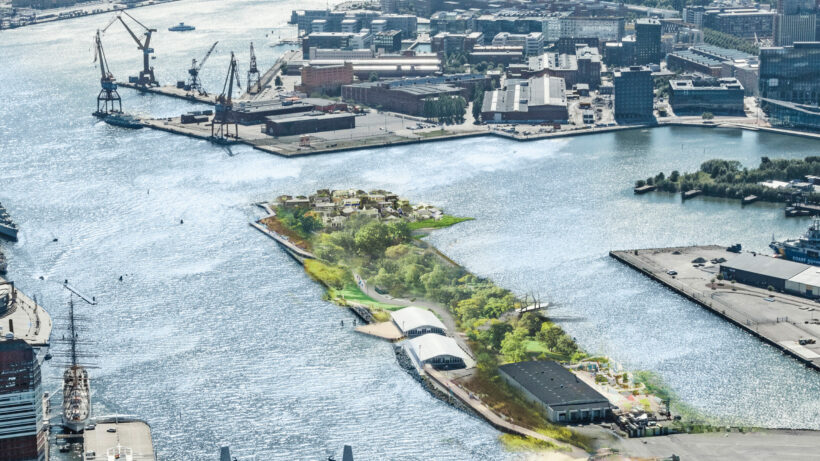
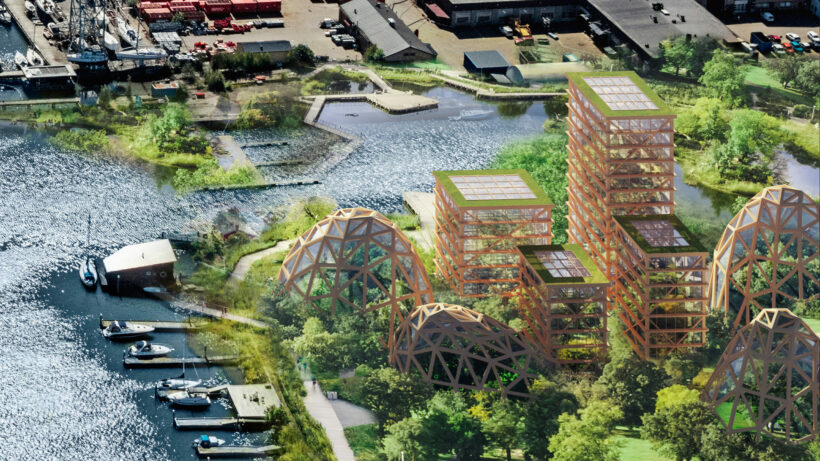
We support and inspire companies and municipalities that want to work with climate adaptation and biodiversity within a market-driven economy. To illustrate how this can take shape, we have developed six proposals for urban environments, here shown in Gothenburg’s central river basin and the area around Hisingen Bridge. They demonstrate how public and private actors can work together to drive the green transition forward.

SIX PROPOSALS FOR URBAN ENVIRONMENTS

Temperature regulation

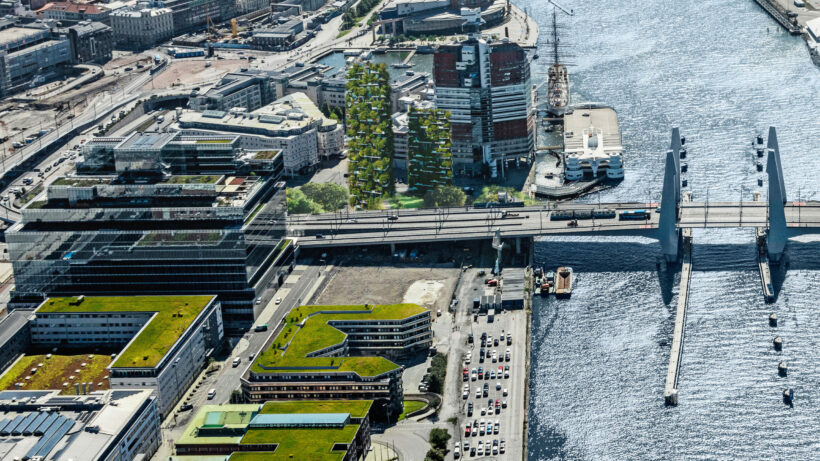
Urban environments require more integrated greenery on both existing and new buildings. Green facades and roofs serve to reduce evaporation and thus cooling, while purifying urban air. Façade greenery provides natural solar shading in summer and lets in solar radiation in winter, saving energy and minimising mechanical cooling. Green roofs also reduce energy demand in buildings, and provide cooling on hot summer days.

Recreational habitats and eco-tourism

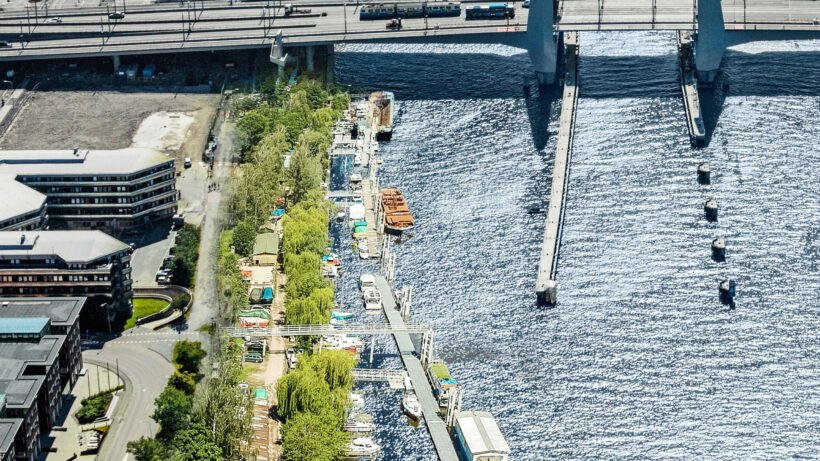
By restoring and designing new biotopes along industrialised watercourses, we can clean and retain stormwater. With nature-based design, buildings can be integrated into blue-green environments. The process entails additions on the terms of nature. The transition from harbour industry to green spaces creates conditions for a new form of recreation and the possibility for eco-tourism.

Protection against flooding

The establishment of multifunctional reefs creates a new type of blue-green infrastructure that protects land and buildings. Reefs of biotopes in the edge zone between land and water can also be utilised for marine cultivation. The reefs create opportunities to develop marine colony plots for increased local food supply.

Nature restoration

For taking care of the subsurface environment which has a huge capacity to sequester carbon dioxide. By restoring shallow bays with eelgrass that sequesters carbon and shoreline meadows with new habitats that moisturise, hold nutrients in the soil and contribute to carbon sink areas. Nature restoration is a primary transformation for the slow down of climate change.

Remediation of contaminated soil and bottom sediments

Soil remediation is an expensive process. Through bio- or phytoremediation, we use mussels, plants and fungi to clean up former industrial land, cost-effectively using the power of nature. Instead of fossil and chemical resources, bio-based solutions can be established to clean up our urban landscapes.

Locally based food production

Former industrial sites can also be transformed into new areas where we can produce food. Today, urban vegetable gardens exist in more places than ever – from hotel rooftops to community gardens – but in order to increase capacity and Sweden’s self-sufficiency, we need to invest in other methods such as vertical farming. In our marine environments, we can create new businesses that grow seaweed, algae and fish, both on water and on land.

Regenerative design employs whole-system thinking to create resilient and equitable systems that harmonise the needs of society with the integrity of nature.
Louise Didriksson, Landscape Architetct

Long-term solutions in harmony with nature

The loss of biodiversity, together with climate change, is the greatest threat to humanity. We need to restore and transform the built environment and remain responsive to new challenges – from individual projects to society as a whole. We have a responsibility to act. Our task is to restore balance by identifying and implementing new solutions for development that work in harmony with nature. To be braver in how we act, more flexible in how we think, and to take long-term responsibility for the past, the present, and the future. Don’t hesitate to contact us to learn more about how we can support your work with climate adaptation and biodiversity.

Interested in learning more? Get in touch!

Louise Didriksson

Louise Didriksson

Landscape Architect, Development manager

Göteborg

+46 31 60 87 24

Charlotta Råsmark

Charlotta Råsmark

Landscape Architect

Göteborg

+46 31 309 56 80