Oskar Norelius will contribute to The Skyline Shift, a session focused on timber construction and the development of lower-carbon cities.
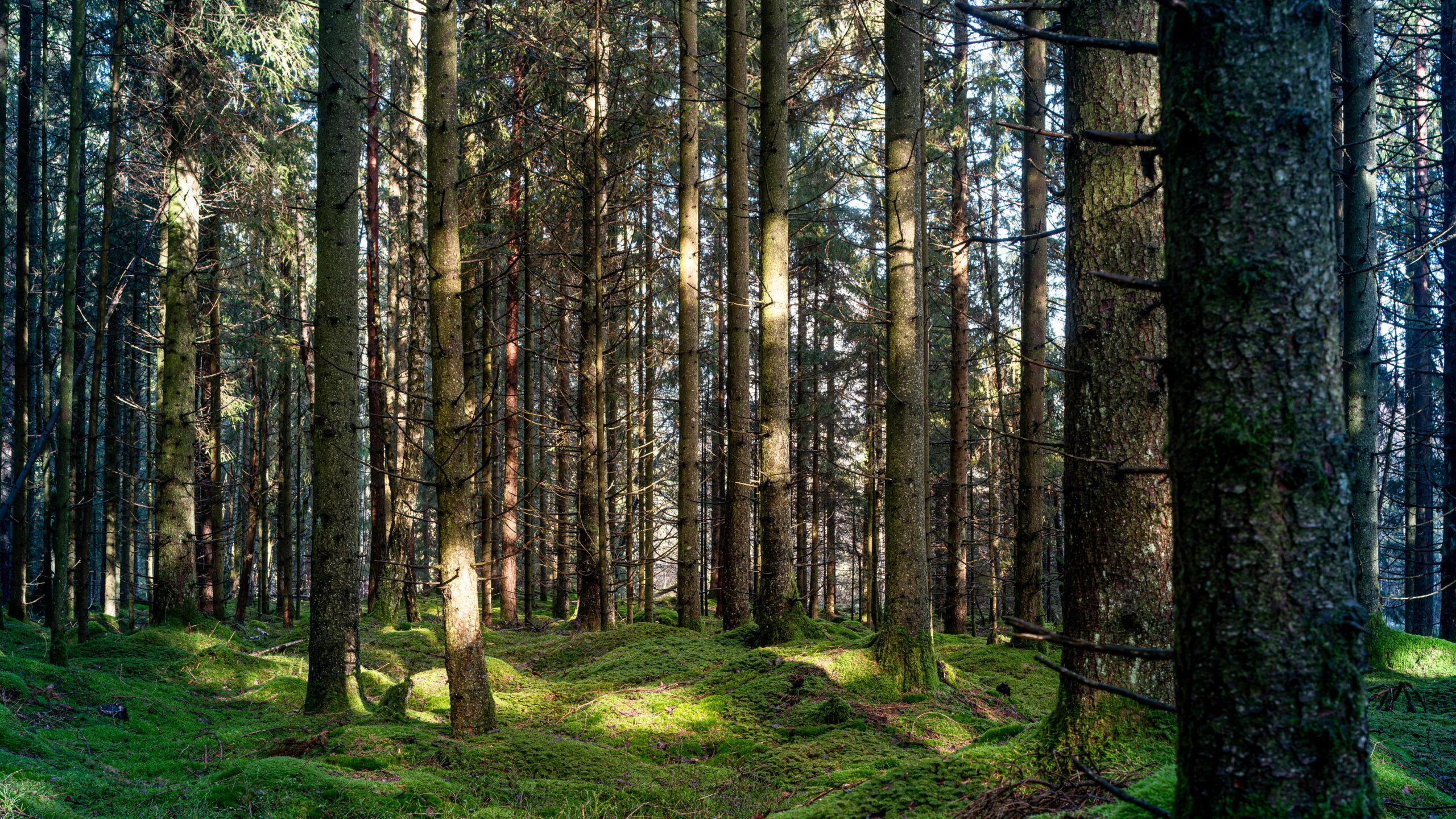
White Arkitekter in international forum on how forests shape the cities of the future
On 23 March, Oskar Norelius, Partner and Managing Director of White Arkitekter Stockholm, will take part in the UNECE International Day of Forests 2026. The event brings together leading voices to discuss the role of forests in a sustainable future.
The way we build must fundamentally change. Timber being a biobased material can significantly reduce climate impact when forestry, material production and design are understood as one connected process.
Oskar Norelius, Partner and Managing Director at White Arkitekter in Stockholm.
From individual projects to larger systems
Timber construction has rapidly moved from pilot projects to an established strategy in several countries. At the same time, the discussion is becoming more demanding: how to scale up without creating new pressures on forests or material flows.
The UNECE programme addresses this directly: how a growing bioeconomy can develop within environmental limits.
This broadens the architect’s role. It involves navigating the relationship between ecosystems, industrial processes and urban needs.
White has long worked in this intersection. In projects such as Sara Cultural Centre in Skellefteå, timber is part of a wider logic linking local resources, industrial production and architectural quality. That experience becomes increasingly relevant as timber construction is discussed globally.

Sara Cultural Centre, photo: Visit Skellefteå
Where natural systems meet the built environment
At the same time, the understanding of sustainable construction is shifting. The focus is expanding from material choices to how the built environment interacts with natural systems over time.
White works with nature-based solutions as an integrated part of architecture, where ecosystem services, climate adaptation and biodiversity are embedded in the design process. This can include managing stormwater through landscape, strengthening local ecosystems, or shaping environments that both withstand climate impacts and support human well-being.
What makes forums like this important is that they connect the entire chain – from how forests are managed to how we build our cities. As architects, our role is to take responsibility for how those decisions come together in practice.
Oskar Norelius.
In the international discussion, these connections are becoming central: how materials, ecosystems and urban development interact – and how decisions in one part affect the whole. This is where architecture, technology and resource understanding meet – and where White contributes to the global conversation.
Read more about the UNECE International Day of Forests 2026 here.
Contact person
