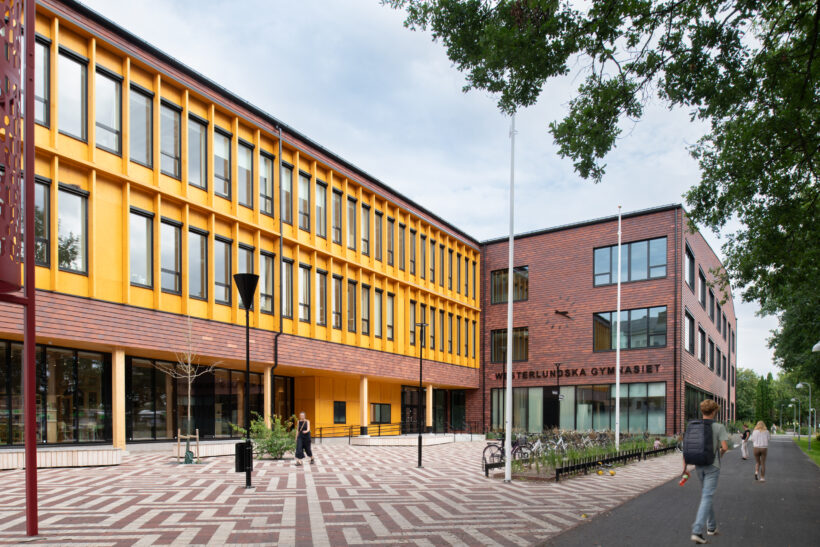
Westerlundska Upper Secondary School, Enköping

Westerlundska Upper Secondary School, Enköping

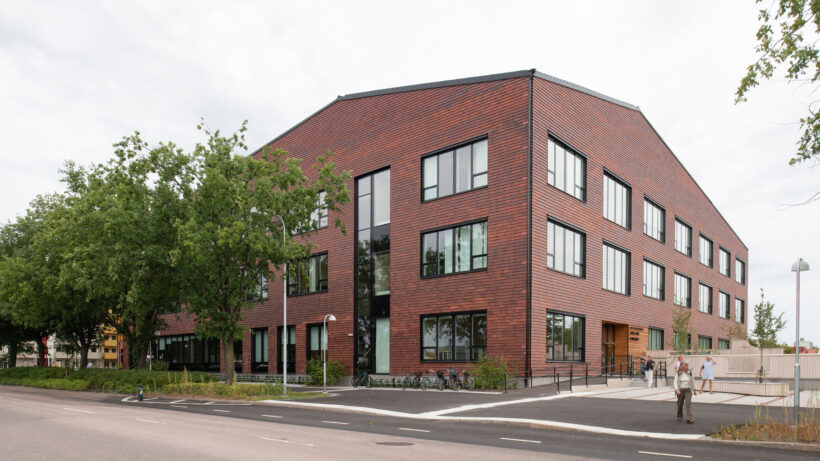
The new upper secondary school occupies a strategic position in the city, reinforcing the vitality of the town centre. Situated close to the historic grid street plan and one of the main corridors for retail and public transport, Enköping’s new school opened in autumn 2024, welcoming 1,600 students and more than 200 members of staff.

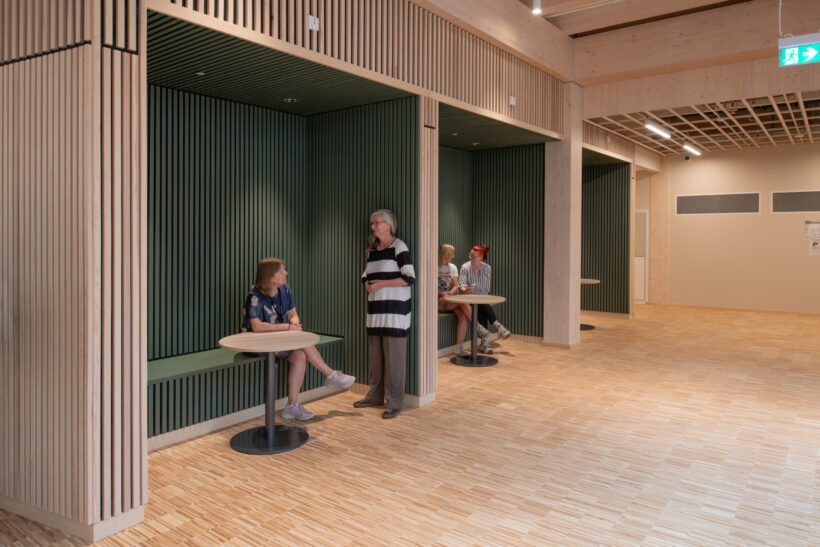
A warm and welcoming common room

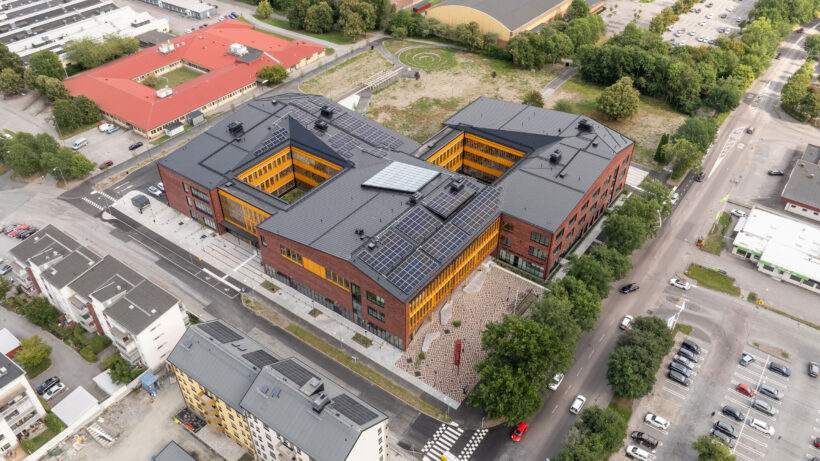
The school meets the city through a new public square, formed at the junction of Torggatan and Sandbrogatan. The school park to the southeast becomes the block’s green heart – and the natural arrival point for those coming by bus or bicycle.

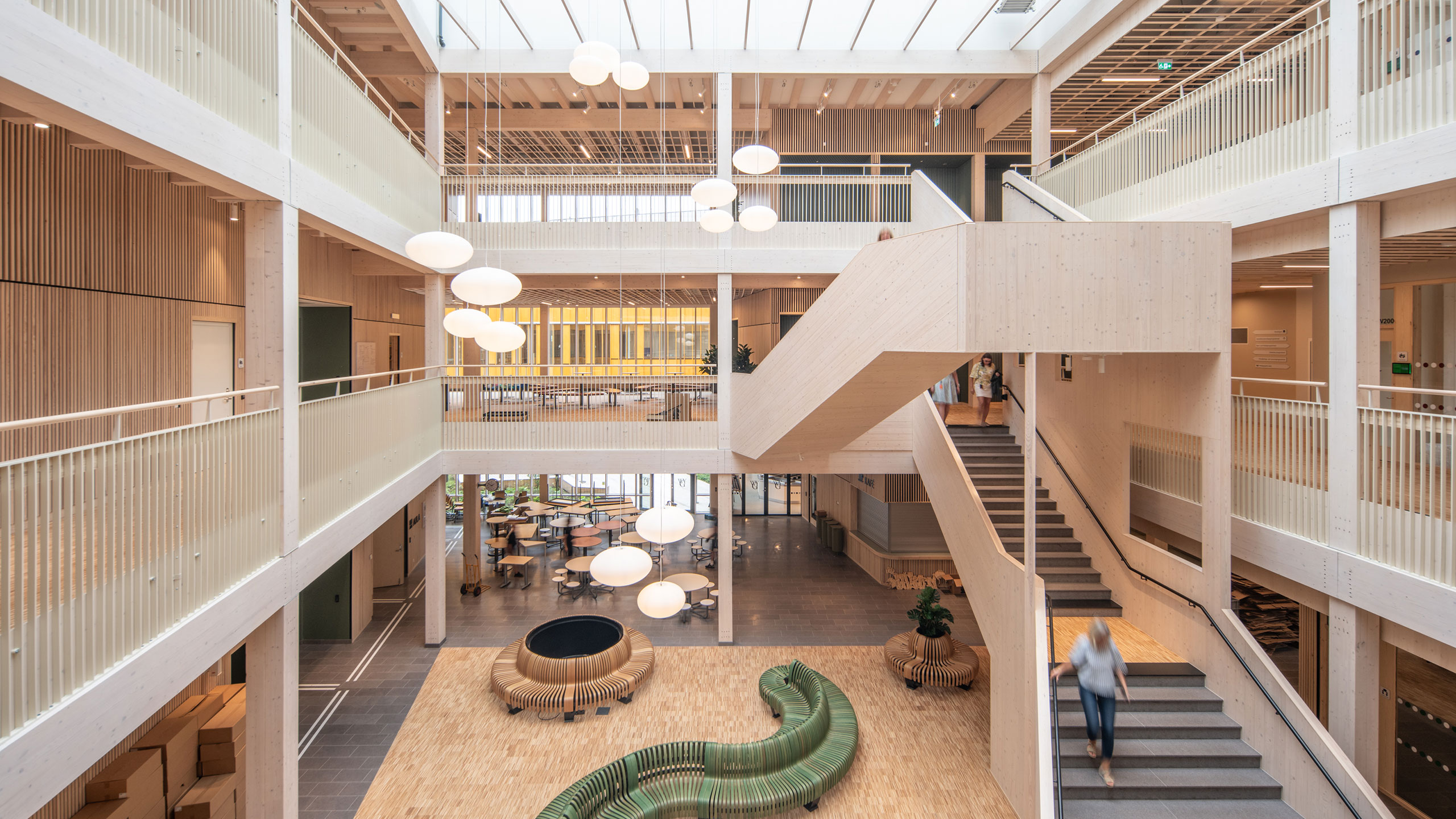
The building is composed of three interconnected volumes, three green outdoor spaces, and a central entrance hall that draws everything together. The middle volume houses the entrance hall alongside shared facilities: reception, assembly hall, library and café. From here, views open out across two green courtyards.

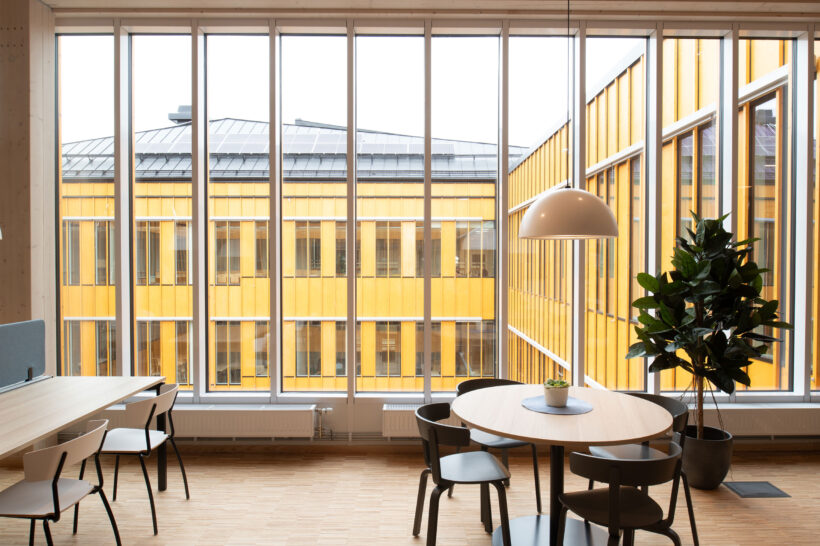
The courtyards are designed with distinct characters – one for activity, one for quieter study – while both improve the microclimate and bring greenery into the heart of the school. They connect the central volume to the two teaching wings, which on the upper floors contain a varied range of learning spaces.
Client: Enköping Municipality
Location: Enköping, Sweden
Status: Completed 2024
Area: approx. 18,300 m² GFA
Photo: Anders Bobert

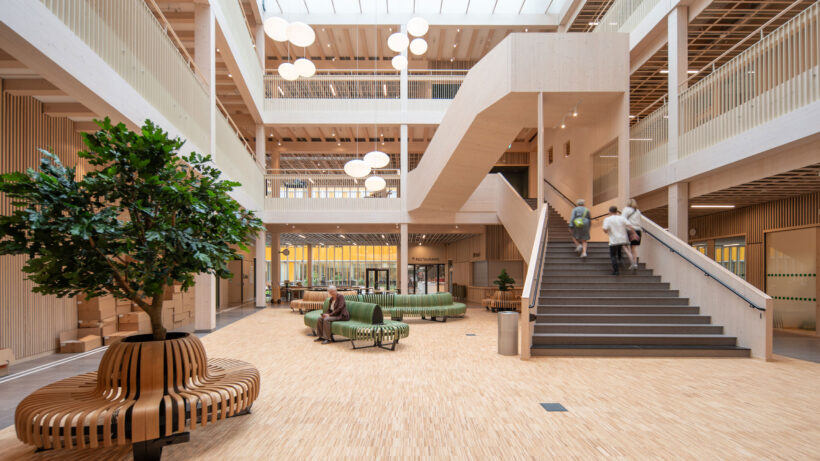
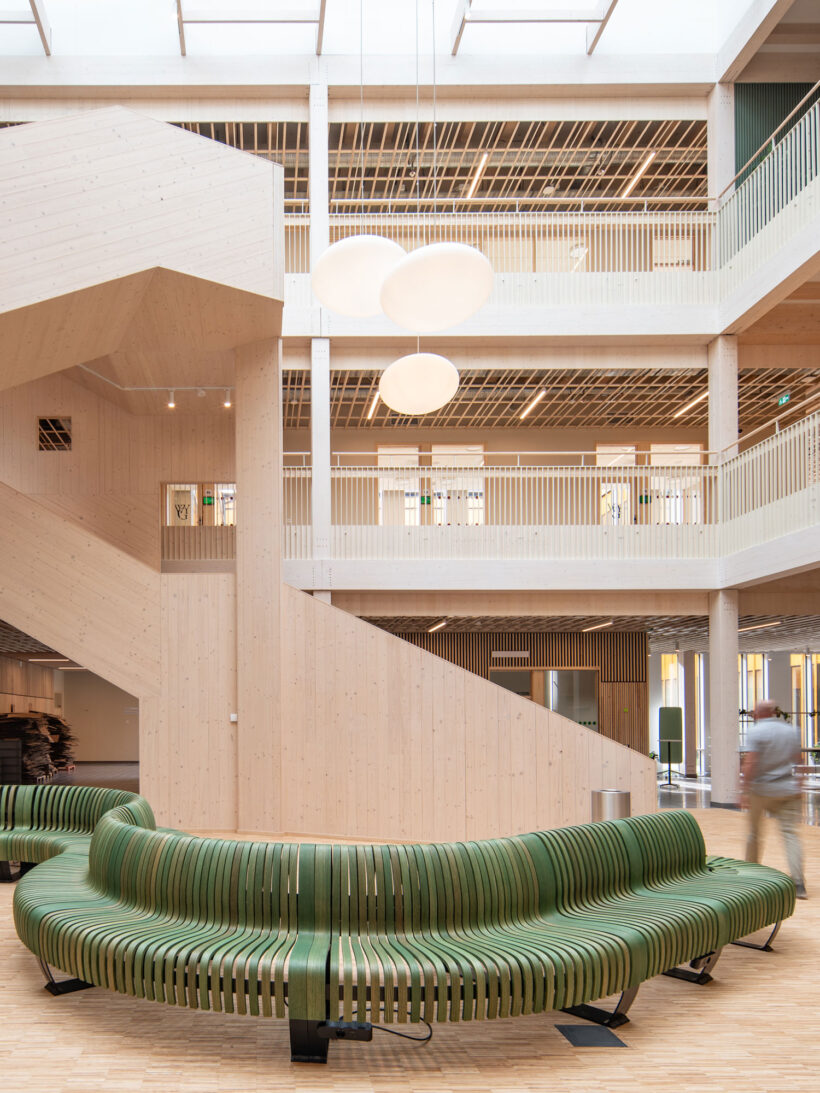
The entrance hall is the beating heart of the school, alive with movement throughout the day. It is a central hub for students, staff and visitors – defined by space, light and open sightlines.

A place to be seen

At ground level in the teaching wings, the dining hall sits alongside a creative cluster: a makerspace, media studios and spaces for arts education. On the other side of the courtyards are special needs facilities and the school kitchen. In contrast to the old school’s sprawling layout and enclosed corridors, everything here feels closer and more connected. The entrance hall is always busy – a place to move through, to pause, to talk. A common room where everyone belongs.

Natural and robust

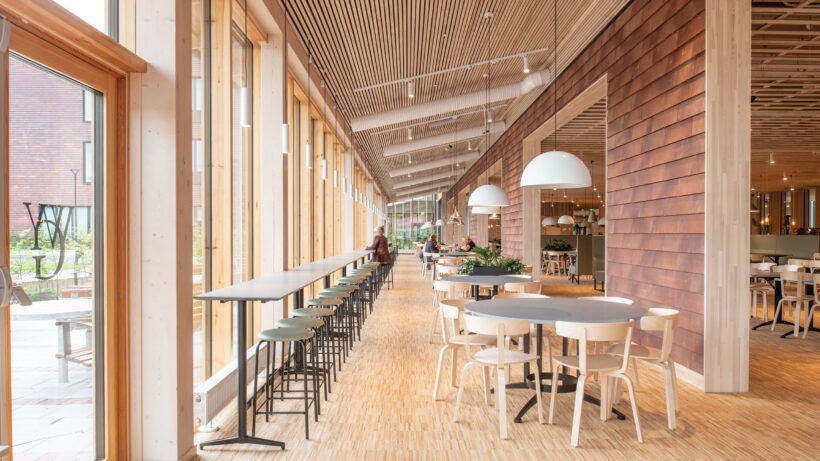
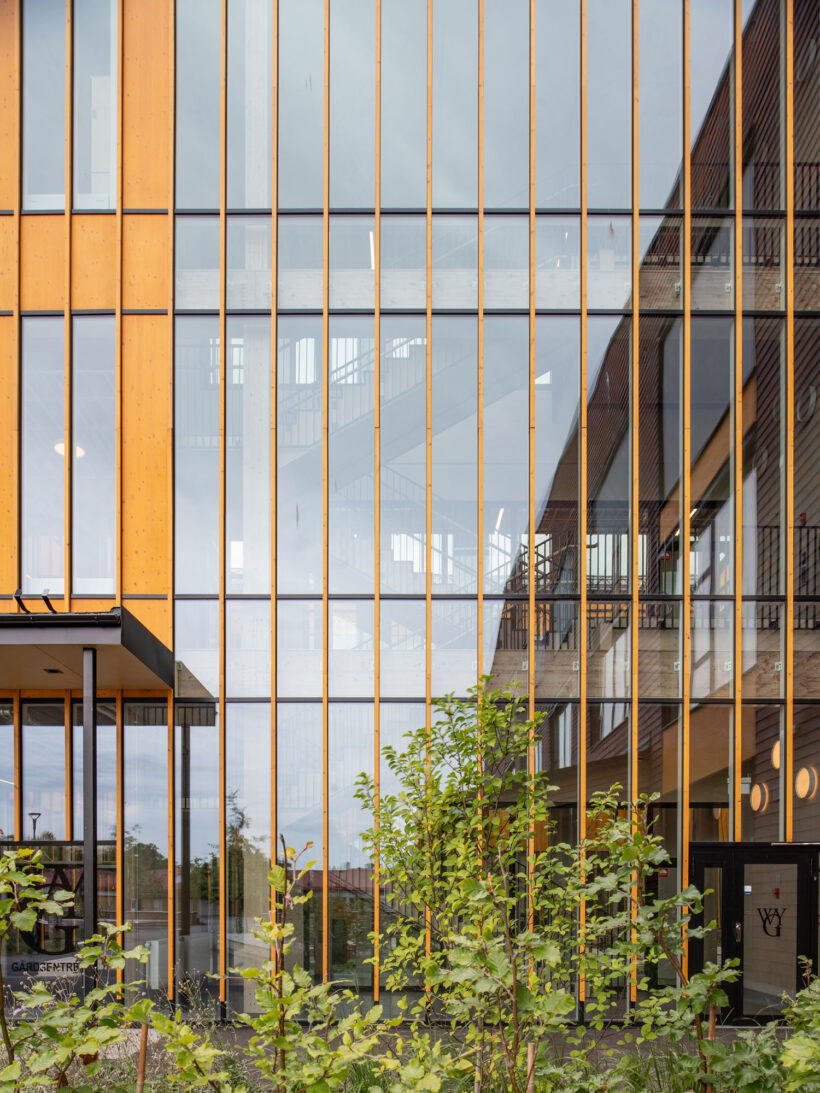
The school is defined by natural, durable materials: a timber structure, natural stone in the entrance hall, and brick screen cladding on the facade. Internally, the timber frame’s beams and columns are left exposed where possible, complemented by a palette of soft natural pastels and earth tones in line with Enköping Municipality’s guidelines for educational environments. The street-facing facade is urban and assured in its expression, while an extension on the courtyard side gives the dining hall generous contact with the outdoors – a seamless transition between inside and out.

Considerable care has gone into making the dining hall feel intimate and human in scale, despite its size. During lunch service it can be separated from the entrance hall by a folding wall of steel and glass; at other times it opens up fully, available for other uses. An outdoor dining terrace facing south is there for the finer days.

Where conditions allow – south or southwest-facing roof surfaces – solar panels are installed across a combined area of just over 1,000 square metres.

An open and generous environment

The interior design is informal, inviting and creatively permissive. The school contains a range of learning environments: base rooms for full-class teaching, group rooms for smaller work, and study areas for individual or collaborative use. Informal study spots and social spaces are distributed throughout the teaching wings and the entrance hall. The interior palette builds on a base of timber and light tones, with complementary colours and materials forming a backdrop to the learning environments.

Open to the wider community

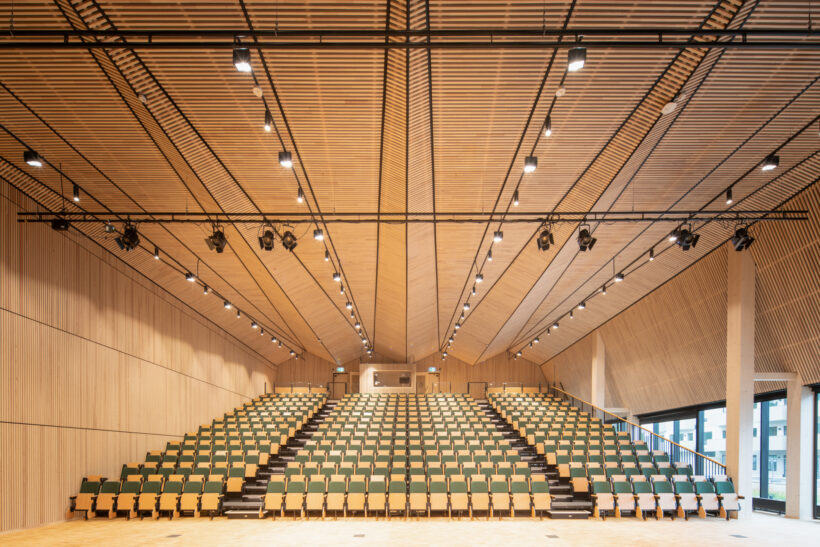
The building is designed to serve more than just its students. The assembly hall is a flexible space for 500 people, intended to function as the meeting chamber for Enköping Municipal Council and available for external hire outside school hours. The same applies to the makerspace and three larger base rooms, each accommodating 75–80 people. The school kitchen prepares meals for a number of care homes and preschools, and during holidays the school is hired out for overnight stays during larger sporting events and tournaments.

White carried out the feasibility study, sustainability programme and design brief for the new school, working with active cost management throughout.

Contact & Team

Sofi Nilsson

Sofi Nilsson

Architect

+46 8 402 26 51

Helena Polgård Nygren

Kristjan Baldvinsson

Isabel Villar

Cecilia Jarlöv

Lilly Duong

Please share!

Related projects

All Projects

Loading...