Gartenstadt Berne in Hamburg is regarded as one of the most significant examples of the German garden city movement and has largely been protected as a heritage environment since 2013. The competition sought proposals capable of balancing this cultural legacy with the need for future housing development. The aim was to create affordable housing in a green setting while strengthening the cooperative and community-oriented values historically associated with the Gartenstadt Berne.
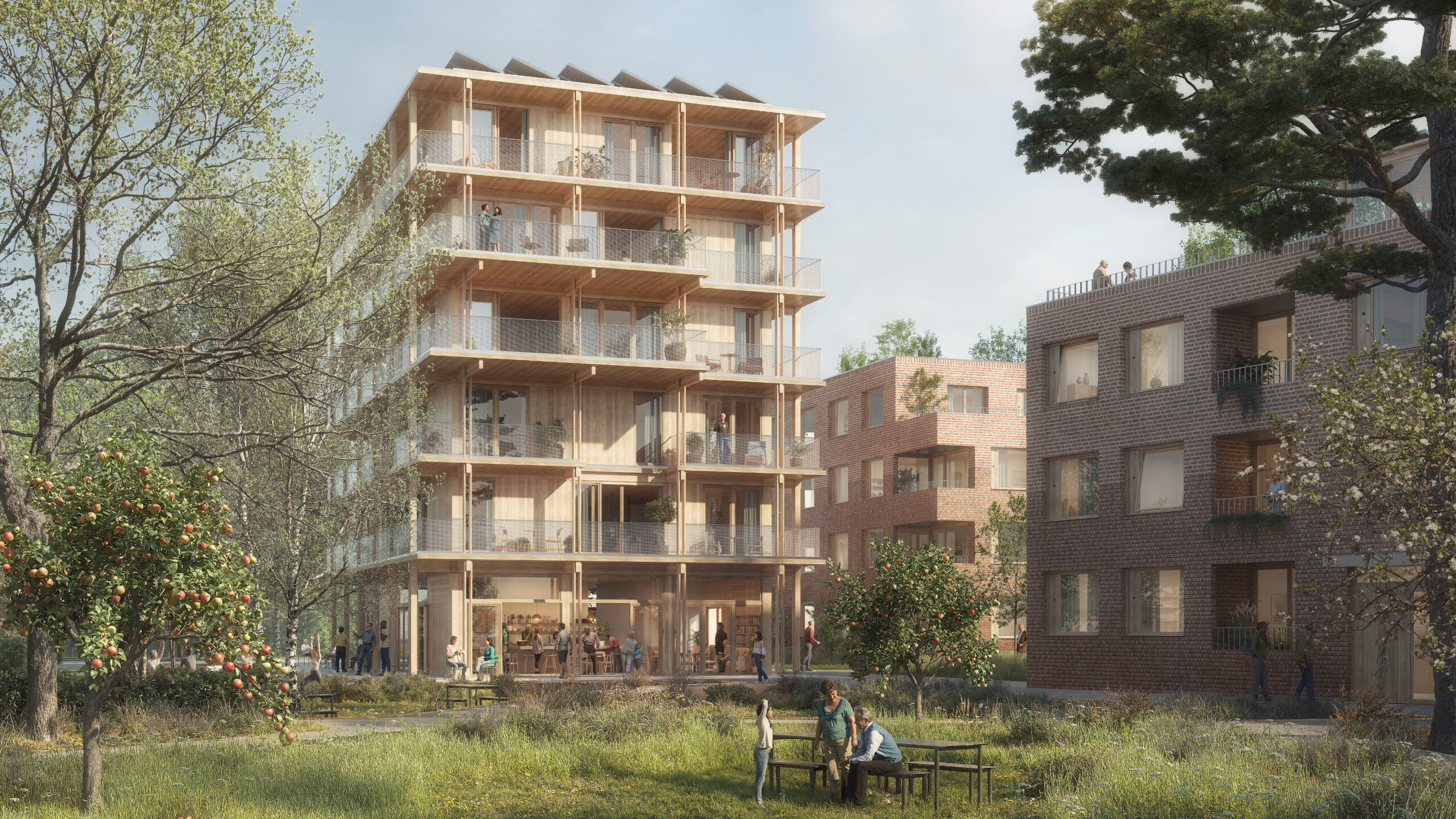
White Arkitekter wins second prize in Hamburg with contemporary interpretation of the garden city
White Arkitekter’s proposal for a new residential neighbourhood that reinterprets the historic ideals of the garden city for contemporary living has won second prize in an architecture competition organised by the housing cooperative Gartenstadt Hamburg eG. The proposal presents a vision for resilient, socially connected housing with low climate impact rooted in the landscape and community.
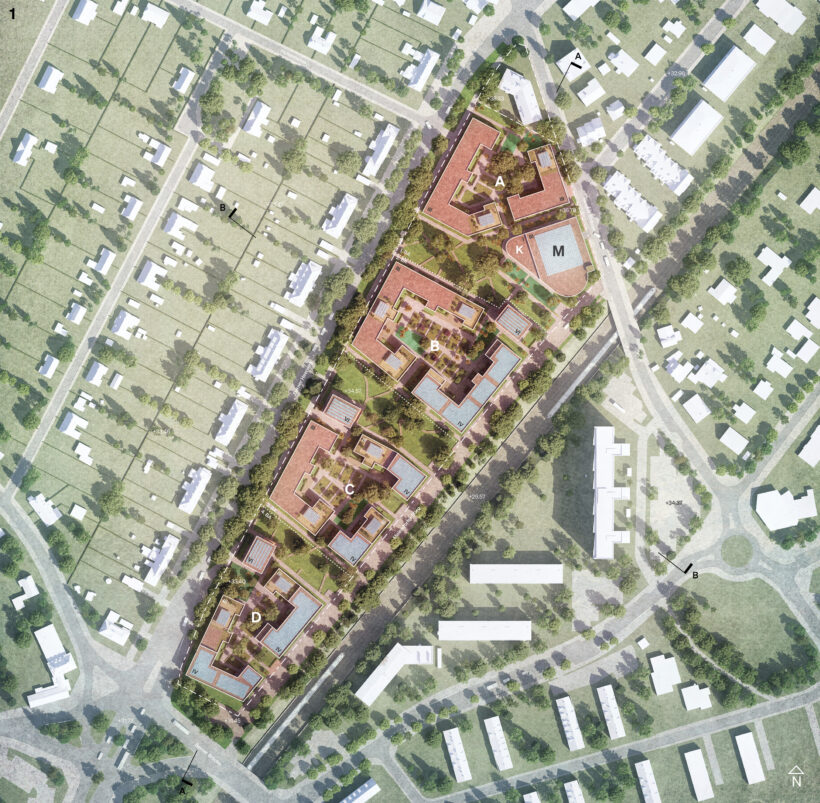
White Arkitekter’s proposal builds on the legacy of the original 1920s garden city while responding to present-day challenges linked to climate adaptation, biodiversity loss and changing patterns of living. Organised around shared courtyards, productive landscapes and neighbourhood hubs, the scheme combines increased density with strong social infrastructure and close access to nature.
The proposal introduces three neighbourhood hubs dedicated to food, culture and care. Positioned between residential blocks, these collective spaces were conceived as social anchors for everyday life – supporting communal cooking, cultural activities, workshops, intergenerational exchange and shared forms of living. The ambition was to create a neighbourhood where social participation and ecological responsibility reinforce one another.
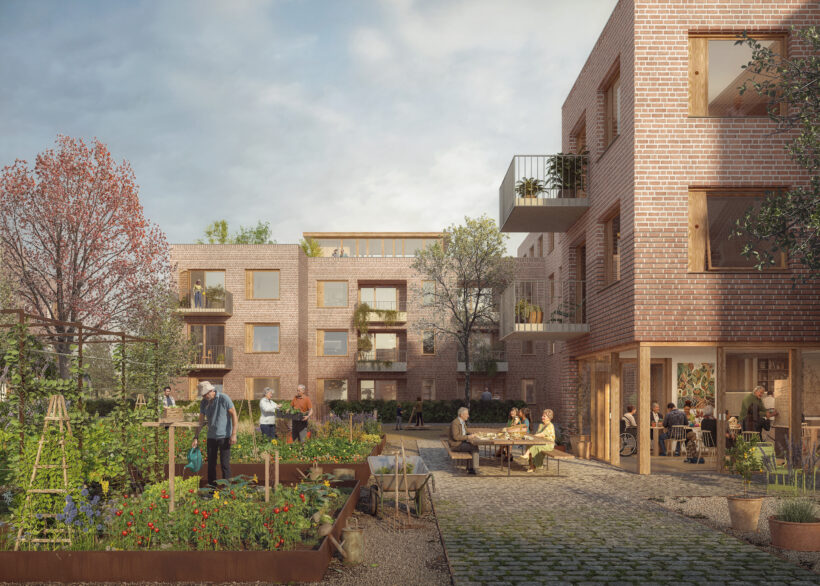
Preserving the area’s mature trees and existing landscape structure was central to the design approach. New housing volumes were carefully positioned to frame generous green courtyards and park spaces while maintaining sunlight access and reinforcing biodiversity. Timber construction, low-carbon materials and passive environmental strategies formed the basis of the project’s architectural and technical concept.
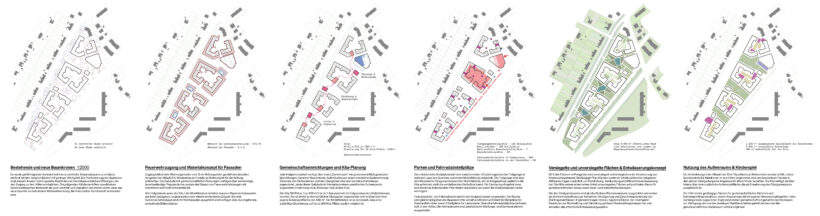
The proposal also explored new housing typologies that combine private homes with shared facilities and flexible living arrangements. Winter gardens, communal kitchens, co-living models and adaptable intermediate spaces were integrated to support a broader range of lifestyles and household structures.
Contact person
